

From Brazil to the World: The Rise of Larissa Liveir
 guitarmadridDecember 20, 20253 Mins read1.5k

There’s a certain honesty you hear the moment Larissa Liveir hits a note. No flash for the sake of flash. No tricks to chase attention. Just feel, phrasing, and a deep respect for the instrument. In 2025, as one of the world’s top-rated female guitarists and a defining voice of modern blues-rock, Liveir represents something guitar culture desperately needs: authenticity that cuts through the noise.
We caught up with the Brazilian guitarist to talk about first guitars, chasing tone, staying real online, and why the blues still matter more than ever.
The First Guitar Moment
Larissa still remembers the exact feeling. She was eight years old, standing in a guitar store, finally allowed to choose her first instrument. She grabbed an acoustic off the wall, strummed a single chord, and instantly lit up.
“That first sound—it made me smile from ear to ear,” she says. “I’d been wanting a guitar for months. Just holding one and hearing it respond to me felt magical.”
By seven, the obsession was already there. Guitars showed up everywhere in her imagination—movies, games, school. One day, a guitarist came to perform at her school. While everyone else danced, Larissa froze.
“I couldn’t stop watching his hands,” she recalls. “I didn’t care about singing or moving. I just wanted to understand how the guitar worked.”
Knowing the Path Before It Appears
Some players stumble into music. Larissa never did.
“I always knew music was my path,” she says plainly. “I tried normal jobs, but nothing made sense. Music is how I communicate. It’s like breathing.”
That clarity became her compass. Instead of chasing security, she chased meaning—and today, making a living through music feels less like success and more like alignment.
Emotion Over Everything
Larissa’s playing sits comfortably between blues soul and rock precision, and that balance didn’t happen by accident. Early on, she gravitated toward songs that made her feel something intense—songs that demanded release.
“I learned so many classic solos note for note,” she says. “That gave me perspective. You start to understand how different players express emotion.”
But technique mattered just as much. Hours spent on precision, endurance, and control built the foundation. Her philosophy is simple: treat the guitar like a human voice.
“When I solo, I don’t want to overthink. I want it to sound like someone speaking.”
Lately, her listening habits lean heavily toward Joe Bonamassa and Stevie Ray Vaughan—players who say everything without saying too much.
The Long, Hard Road to Tone
Ask Larissa about tone, and she doesn’t romanticize it.
“When I started YouTube, I had a cheap guitar and a tiny amp,” she laughs. “Getting good tone was really hard.”
Instead of quitting, she learned. Recording herself, tweaking settings, experimenting with plugins, watching other players dial in sounds—it all added up. Moving to a bigger city and spending time in studios only sharpened her ears.
“The biggest lesson is trusting yourself,” she says. “Everyone hears tone differently. You have to know what you like.”
Playing for Millions, Feeling Like One
Despite her massive online following, Larissa insists her mindset hasn’t changed much.
“It still feels like it’s just me and the guitar,” she says. “That’s my favorite part.”
But performance does evolve. Whether on stage or on camera, expression has to be bigger. Notes stretch longer. Vibrato gets wider. Emotion becomes visible.
“I like interacting with the camera,” she adds. “I want people to feel seen.”
Staying Real in a Trend Economy
In a digital world obsessed with algorithms, Larissa stays deliberately low-profile.
“I was never drawn to trend culture,” she says. “I stay grounded in who I am and where I came from.”
Her inspiration often comes from eras before social media—when music had to stand on its own. That mindset keeps her work honest and her voice unmistakable.
Representation Without Performance
As the first Brazilian woman to become a Gibson artist, Larissa understands the weight of visibility.
“I feel a responsibility to represent Brazil and Latin women,” she says. “If I can inspire someone to pick up a guitar and believe they belong, that means everything.”
She’s also diving deeper into Brazilian MPB, absorbing its rhythmic richness and melodic depth, with plans to weave those colors into her own sound.
Back to the Blues
Right now, the blues have her full attention.
“It’s the foundation of everything I love,” she explains. “Studying blues improves my improvisation and helps me write my own riffs.”
Emotion, she believes, starts with connection—choosing music that resonates, learning it deeply, and then reshaping it into something personal.
The Album Taking Shape
Larissa’s dream project is already in motion: her first personal album. It blends blues, rock, heavy metal, and every influence that shaped her.
“I want it to be honest,” she says. “A full experience—music, visuals, atmosphere.”
The message is clear: rock ’n’ roll still has soul, and it still matters.
What Comes Next
The challenge now is definition—finding the exact sound that feels unmistakably hers. Songs are written, rewritten, and refined as she listens closely for the truth in them.
Looking ahead, her vision is focused: original music, big stages, powerful visuals, and constant growth. And if along the way she inspires another young player—especially a woman—to keep going?
“That’s everything,” she says.





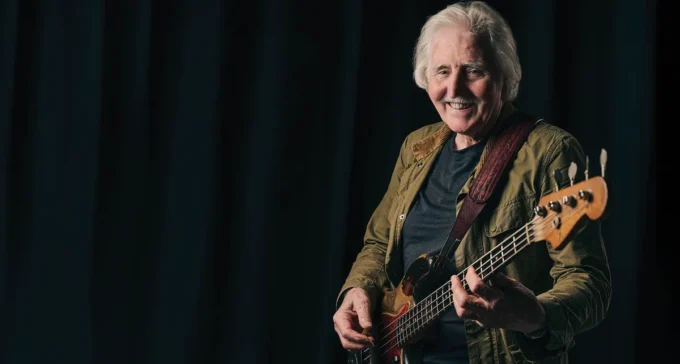
The Rock ‘n’ Roll Forrest Gump: How Leo Lyons Built the Foundation of Ten Years After
In the ego-driven world of rock royalty, Leo Lyons remains an anomaly....
guitarmadrid1 Mins read
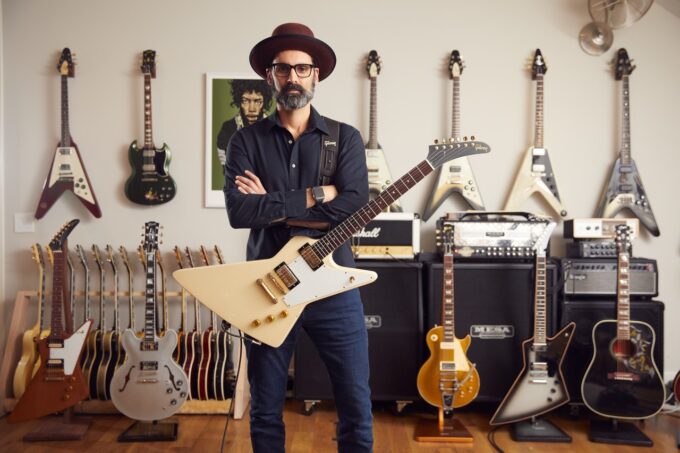
César Gueikian: The Visionary Who Reignited Gibson’s Legacy
César Gueikian has become one of the most influential voices in the...
guitarmadrid2 Mins read

ZZ Top announce 2026 Spain tour dates and ticket launch
Legendary Texas rockers ZZ Top are heading back to Spain next summer...
guitarmadrid1 Mins read

Lords of Fire: Parkway Drive Turn Madrid Into a Metalcore Inferno
Text by: Cris Cañedo Pics by: @Darachriss There are concerts you enjoy,...
guitarmadrid2 Mins read



Leave a comment