

How the Fender Telecaster Got Its Name — and Why It Almost Didn’t
 guitarmadridOctober 9, 20251 Mins read301
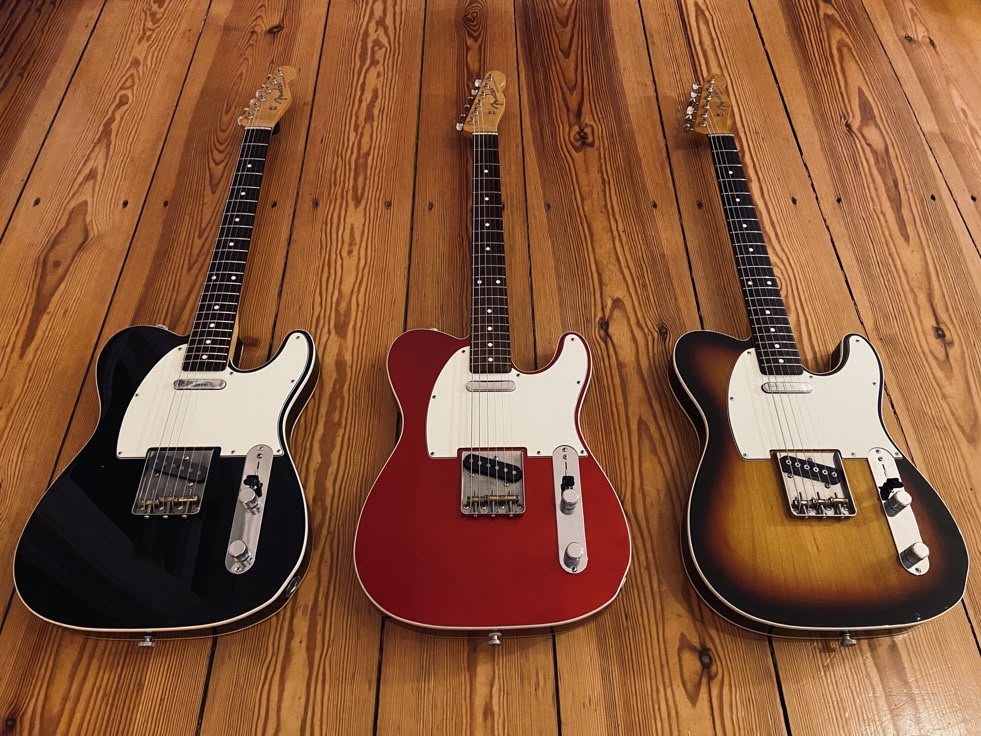
The Telecaster’s look is iconic — but its name nearly never existed. Behind the scenes, a trademark battle, a nameless model run, and a push to ride the television wave shaped how we came to call it the “Tele.” Here’s how Fender turned a crisis into legend.
When Fender first launched its solid‑body electric in 1950, it wore the name Broadcaster — a label meant to evoke power and transmission. But their excitement ran into a snag: on the other side of the country, Gretsch had been using the name Broadkaster (yes, spelled with a “k”) for drums and banjos since the 1920s.
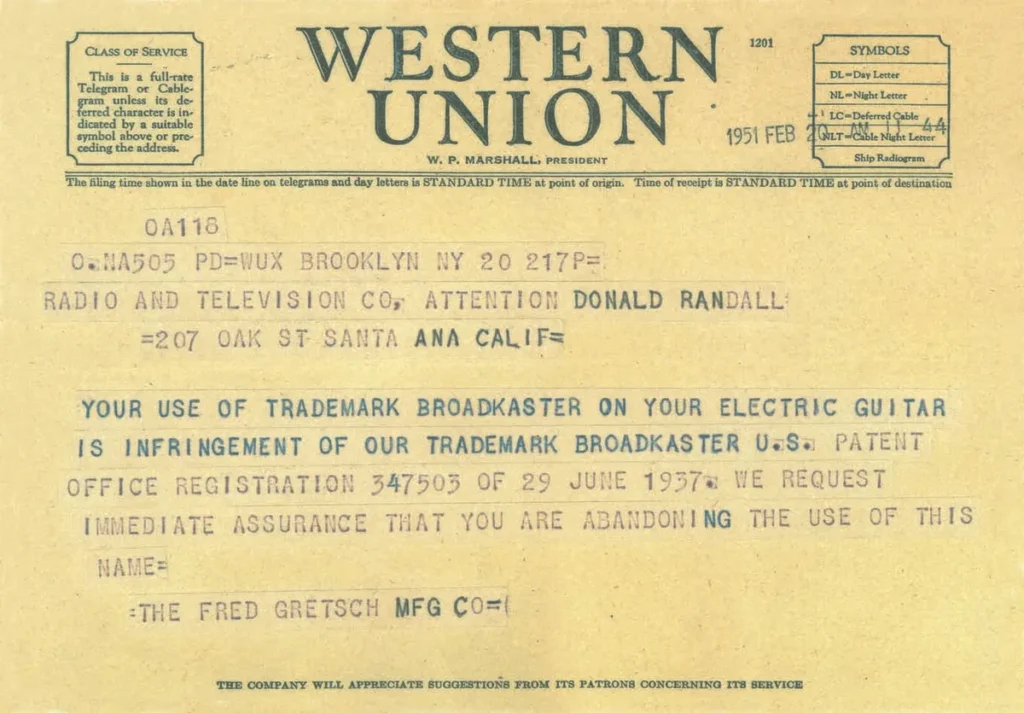
In February 1951, Gretsch sent a Western Union telegram demanding Fender drop the name—claiming trademark infringement. Don Randall (Fender’s GM) responded quickly, telling salesmen to stop using “Broadcaster” immediately. He asked for suggestions: “If any of you have a good name in mind I would welcome hearing from you immediately.”
Rather than halt production while settling on a new name, Fender continued building the guitar without any model designation—just the company name on the headstock. These interim guitars, lacking any model label, became known later as “Nocasters.” They’re now among the rarest and most sought-after Fenders.
By April or early May 1951, Randall embraced a new name: Telecaster. The prefix “Tele-” tied into the emerging television era — Fender bet that the sleek shape and contrasting finishes would show up well in black-and-white broadcasts. The name stuck—and has endured for over 70 years.
Interestingly, dating parts and bodies during that period was loosely controlled. Some “Nocaster” necks were stamped in the Broadcaster era, and some early Telecasters had parts dated from those earlier runs. That blurred crossover only adds mystery to early Fender lore.
Telecaster didn’t just fix a naming crisis—it cemented a brand identity. The name evoked modernity and media, aligning with the guitar’s straightforward design and mirror-like visual contrast that stood out in grainy TV images of the era.
The Telecaster’s name was never a mere branding choice — it was born out of necessity, clever positioning, and timing. From legal pressure to “nameless guitars,” Fender turned disruption into distinction. Sometimes, the best legacies start with a forced rethink.
By Dara Christine – October 9, 2025




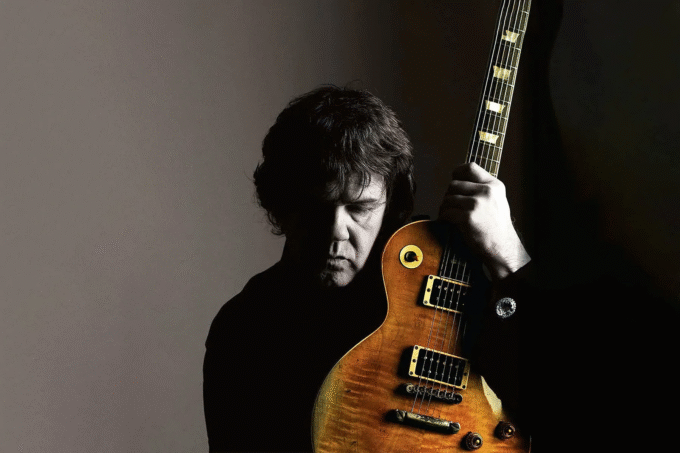
The Final Encore for the Gary Moore Collection — Legends’ Guitars and Stage Gear Head to Auction
When a guitarist like Gary Moore leaves behind his instruments, it isn’t...
guitarmadrid1 Mins read
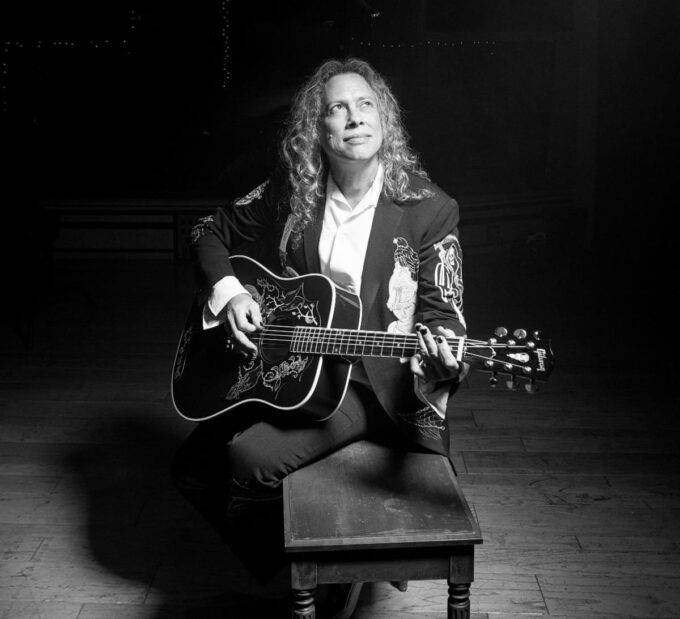
Kirk Hammett and Gibson Custom unveil “The Raven,” a dark new legend
Gibson Custom has revealed its latest collaboration with Metallica’s Kirk Hammett —...
guitarmadrid1 Mins read

Gibson and Loog join forces to inspire the next generation of players
Gibson has announced a collaboration with children’s guitar brand Loog to launch...
guitarmadrid1 Mins read
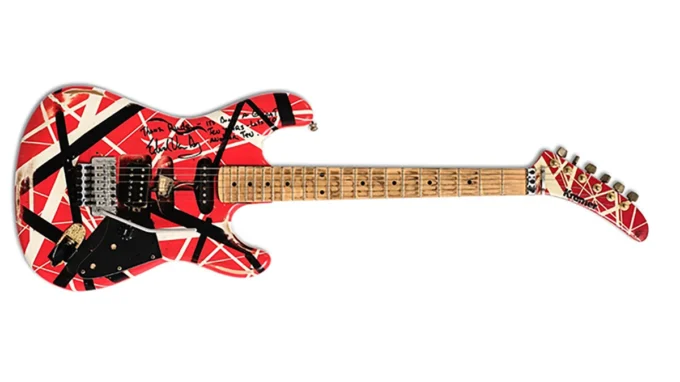
Eddie Van Halen’s Kramer “Ad” guitar sells for $2,734,000 at auction
A guitar once owned and played by Eddie Van Halen has become...
guitarmadrid1 Mins read


Leave a comment